
What Is ELOP? Ultimate Guide to After-School Programs
 UCMA
UCMA 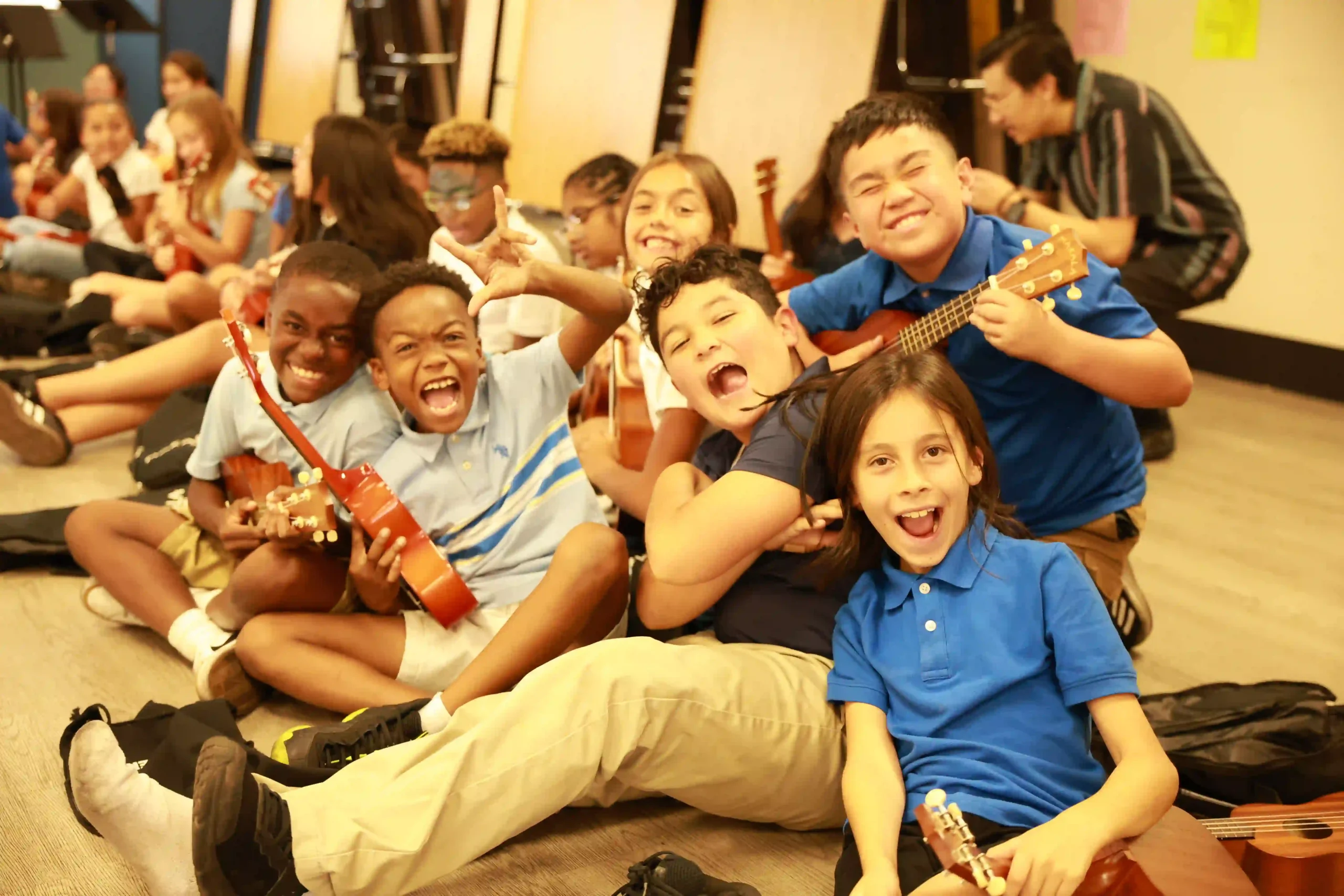
Estimated reading time: 8–10 minutes
If you’re trying to understand ELOP, the simplest way to think about it is this: it’s a California state-funded program that helps schools offer learning opportunities outside regular class hours.
Table of Contents
Highlights
- California-funded: Supports expanded learning for TK–6 students.
- Comprehensive: Covers before-school, after-school, and summer enrichment.
- Equity-focused: Prioritizes low-income, English learners, and foster youth.
- Beyond Academics: Focuses on creativity, STEM, and social-emotional growth.
- Sustainable: Helps districts build consistent, long-term enrichment pipelines.
What Is ELOP? (Expanded Learning Opportunities Program Explained)
ELOP allows students to keep learning before school, after school, and even during summer or intersession breaks. This approach is often called “expanded learning” because it goes beyond traditional classroom instruction and opens the door to more flexible, engaging experiences.
At its core, the program is about equity. It ensures that more students—not just a select few—can participate in activities like music, arts, STEM, and social-emotional learning in a structured environment.
How ELOP Works (Simple Breakdown for Schools & Parents)
The state provides the funding, school districts decide how to allocate it, and individual schools bring programs to life. In many cases, schools either run programs internally or partner with experienced providers who specialize in enrichment.
ELOP is designed mainly for students in Transitional Kindergarten through 6th grade. These early years are critical, which is why the program focuses heavily on providing support during this stage.
What Is ELOP Funding? (How It’s Allocated & Used)
ELOP funding comes from the state and is distributed to school districts on an annual basis. This ongoing funding allows schools to plan ahead and build programs that aren’t just temporary, but sustainable over time.
What ELOP Funds Can Cover
- Hiring instructors and support staff
- Partnering with enrichment providers
- Purchasing materials and supplies
- Providing transportation when needed
Who Qualifies for ELOP Programs?
While all TK–6 students can participate, certain groups are given priority to ensure fairness and access. Schools must prioritize low-income students, English learners, and foster youth.
ELOP Program Requirements (What Schools Must Deliver)
Every program must include a balance of academic support, enrichment activities, and social-emotional learning. Programs must also be inclusive, student-centered, and culturally responsive.
Staffing plays a big role in program quality. Schools must follow specific staff-to-student ratios, such as approximately 10:1 for younger students and 20:1 for older elementary students.
Why After-School Programs Are Central to ELOP
After-school programs are one of the most practical ways to deliver ELOP. They fit naturally into students’ schedules and provide a smooth transition from structured learning to enrichment activities.
Students gain access to a environment where they can explore new interests, leading to improved focus, confidence, and overall engagement in school.
Types of Programs Schools Can Offer
One of ELOP’s biggest strengths is flexibility. Schools can design programs that match their students’ interests:
- Arts & Music: Expressing creativity while building discipline.
- STEM & Innovation: Introducing coding, robotics, and problem-solving.
- Academic Support: Tutoring and homework help.
- Physical Wellness: Focusing on movement and health.
How Schools Can Partner with Enrichment Providers
Many schools choose to work with enrichment providers to deliver specialized programs. Providers bring expertise, structured curriculum, and trained instructors, making it easier for schools to meet ELOP requirements without overextending internal resources.
ELOP + Arts & Music: A High-Impact Combination
Arts and music programs are especially effective because they combine engagement with skill development. Students are more likely to participate consistently when they enjoy what they’re doing. Programs like those offered through United Conservatory of Music & Arts show how structured arts education aligns perfectly with ELOP goals.
How to Build a Successful ELOP Program
Building a strong program involves identifying student needs, defining clear goals, and choosing the right mix of academic and creative programs. Partnering with experienced providers can streamline this process significantly.
Frequently Asked Questions
What is the ELOP program?
It’s a California-funded initiative that supports expanded learning outside regular school hours for TK–6 students.
What is ELOP funding used for?
It supports staffing, curriculum providers, materials, and transportation for enrichment activities.
Can ELOP run during the summer?
Yes, summer and intersession programs are a core part of the ELOP mandate.
Elevate Your District’s Enrichment
Bringing high-quality music and arts into your school district has never been easier. We provide the instructors, the instruments, and the curriculum—all aligned with ELOP standards.
If you are looking to build a meaningful partnership that impacts students and satisfies state requirements, we are here to help.
Call 559-249-2851Start a Partnership Call
Disclaimer: This article is for informational purposes only. ELOP guidelines may change; please refer to official California Department of Education resources for compliance decisions.
